How I Studied for GCIH

GCIH was a beast for me. Going into this exam, I was extremely stressed. Everyone I talked to said SANS certifications were the hardest out there and that they would test the full depth of your knowledge rather than surface level understanding. I knew this exam would require discipline, structure, and total commitment.
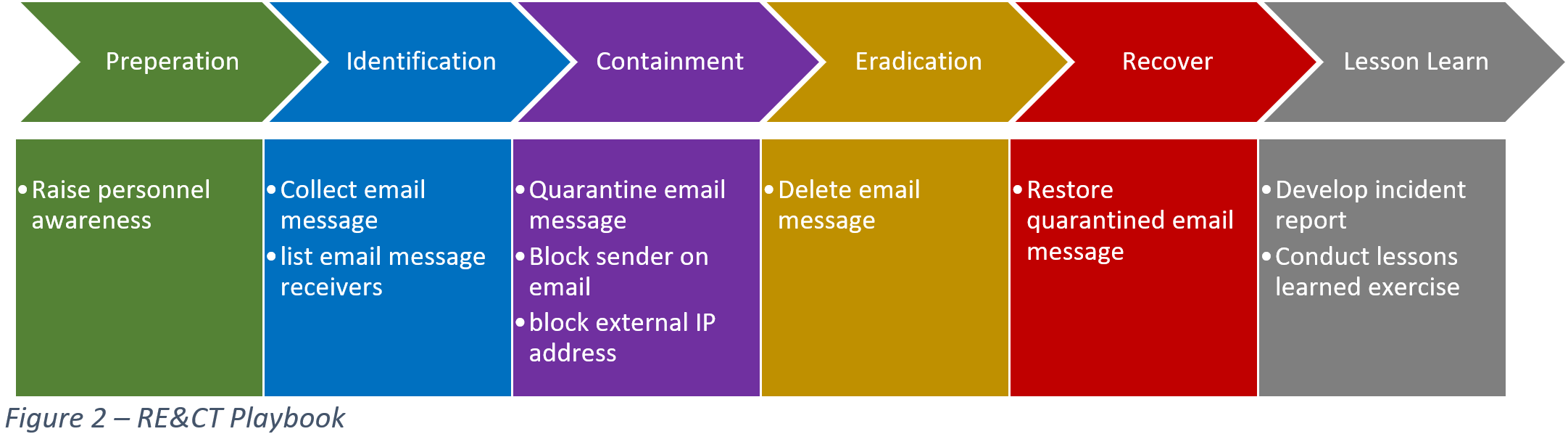
I decided to take this exam because it is listed on the 8570 and 8140 baseline for contracting roles, and I wanted to hold the highest level certification possible for future opportunities. A great lesson I learned from GCIH is PICERL. I also wanted to see firsthand what SANS training and testing were really about and whether my knowledge could hold up at that level.
Plan your study approach early and treat preparation like a project.
The GCIH certification validates a practitioner’s ability to detect, respond to, and resolve computer security incidents using a wide range of essential skills, and the exam covers deep technical material across real world incident handling and attacker behavior. I focused my study on understanding common attack techniques, hacker tools, and how to defend against and respond to them, breaking down areas such as endpoint attacks, pivoting, covert communications, and network scanning until I could explain each concept clearly and apply it to real scenarios. 1
I also spent significant time studying incident handling frameworks and how they map to real response actions, such as preparation, identification, containment, eradication, and recovery. I made sure I understood how tools like Nmap, Metasploit, and Netcat work in both offensive and defensive contexts and practiced how to interpret their output as part of an investigation. Knowing how these tools and processes fit together helped me approach every practice question and real world scenario with confidence. 2
I planned my entire study approach from the start. I built a detailed Excel index and researched how others prepared for their exams. I took every quiz multiple times and used the results to drive my indexing process. Any topic I missed became a priority review area until I fully understood it.
I read through all of the workbooks to identify material I was unfamiliar with and focused heavily on attack paths I had not previously worked with. My goal was not just to pass the exam but to understand where my blind spots were and what required deeper research. This helped me connect techniques, attacker behavior, and response actions more clearly.
Use missed questions to guide what you study next instead of rereading everything.
GCIH forced me to think like an incident handler under pressure. The exam tested not only technical knowledge but decision making, prioritization, and response flow during active incidents. It validated my ability to analyze attacks, contain threats, and communicate response actions clearly.
I passed the GCIH exam on April 19, 2024. This certification gave me confidence that my defensive knowledge held up under real pressure and reinforced that structured preparation and honest self assessment make the difference at higher levels.