Data Normalization
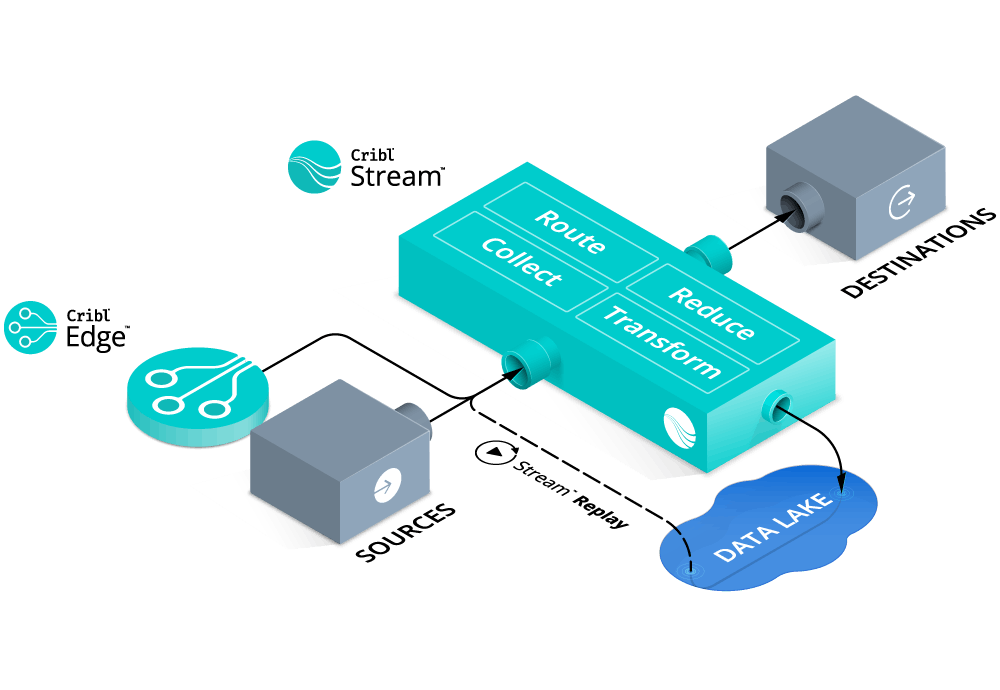
Working with Cribl fundamentally changed how I think about data before it ever reaches Splunk. Instead of treating logs as raw input, I learned to treat them as structured signals that need to be shaped with intent. Data normalization stopped being an abstract best practice and became a requirement for usable detections.
One of the biggest lessons was how critical CIM alignment is when integrating data into Splunk. Cribl made it possible to normalize fields early so that data from different sources behaves consistently once indexed. When everything aligns to a common information model, searches become simpler, faster, and more reliable.
I also learned the value of consolidating data into a consistent sourcetype strategy. Instead of dozens of slightly different formats, I focused on making data predictable and uniform. A single well designed sourcetype with clean fields is far more powerful than many fragmented ones. This dramatically improved search clarity and reduced confusion.
Another key takeaway was designing data for the person on the endpoint. Data should be easy to read, easy to reason about, and easy to reference during an investigation. Normalized fields, clear naming, and consistent structure reduce cognitive load and speed up response time. Good data design directly translates to better decisions.
Cribl taught me that detection quality starts long before the detection logic itself. Clean, normalized, and intentional data makes Splunk more powerful and easier to scale. Instead of fighting messy logs, I can now focus on building detections that actually matter.